Cape Town, South Africa – September 2025
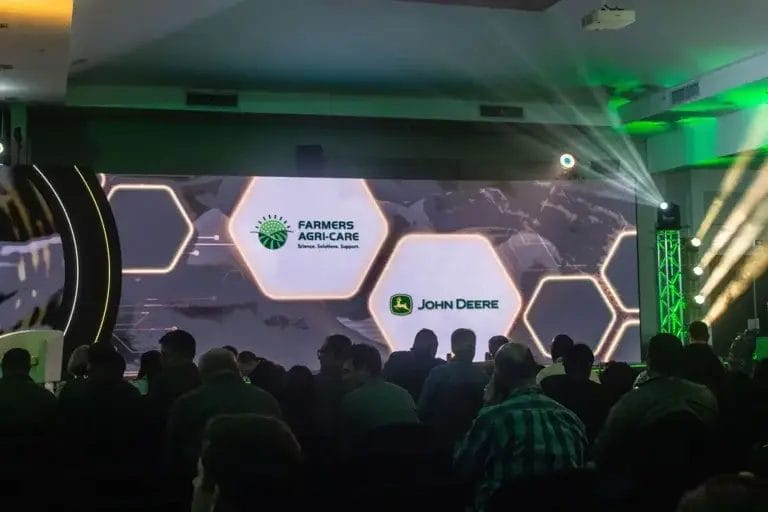
On 19 September 2025, the Ministers responsible for Food Security and Nutrition from G20 nations gathered in Cape Town, South Africa, for a landmark meeting of the Food Security Task Force Agricultural Working Group and Ministerial. As SAMAC we were honoured to attend this high-level dialogue, representing our growing macadamia industry in a global forum.
Ubuntu at the Heart of Food Security
The discussions were guided by the African philosophy of Ubuntu, “I am because you are”. This vision calls for dignity, agency, and solidarity in how food systems are re-imagined. It reminds us that food security is not just about calories or trade flows, but about ensuring no one is left behind across communities, borders, and generations.
Countries reaffirmed their commitment to designing food systems that reflect shared interdependence, while respecting diverse national contexts and priorities, and upholding World Trade Organisation (WTO) rules.

Building Resilient, Sustainable Food Systems
The meeting recognised that today’s food systems must be adaptive, inclusive, sustainable, and resilient. Among the key commitments were:
- Diversifying food sources through both domestic production and international trade to reduce the impact of price volatility, currency fluctuations, and supply disruptions.
- Investing in early warning systems and climate-responsive planning to prepare for shocks and adapt to climate change.
- Strengthening communication and policy coordination through systems like the G20’s Agricultural Market Information System.
- Infrastructure, R&D, education, and training to strengthen food production and distribution.
- Climate-resilient and environmentally friendly technologies, agroecological practices, and diversified production systems.
- Stronger market access for smallholder farmers and family farms.
By investing in innovative farming practices and cutting postharvest losses, we can lower costs, reduce food waste, and support balanced, healthy diets.
Fair Trade and Inclusive Growth
Delegates emphasised the importance of a fair, transparent, and rules-based trading system that creates a level playing field for producers and consumers. Public-Private Partnerships (PPPs) and responsible business conduct across supply chains were encouraged as vital tools in building strong, equitable markets. Development of export and import diversification strategies to improve supply chains, food accessibility and affordability were also highlighted.
Special attention was given to safety net programmes designed to protect vulnerable households from poverty and malnutrition. These programmes must prioritise women, youth, Indigenous Peoples, and smallholder farmers to ensure equity and sustainability.
Emergency Food Buffers
Recognising the impact of crises, the communiqué supported well-designed, WTO-compliant emergency food reserves that do not distort trade but protect people in vulnerable situations. These reserves should be governed by transparent processes and informed by reliable early warning systems.
Systems-Based Approach
Finally, the meeting called for a systems-based approach to policy development, integrating shared information, joint accountability, and public-private collaboration. Embedding nutrition into agriculture and food policy was seen as critical, alongside science-based labelling that empowers consumers to make informed choices.
SAMAC’s Role
For SAMAC, this meeting was an opportunity to position South Africa’s macadamia industry as part of the solution in building resilient, diversified, and sustainable food systems. Macadamias offer not only a premium, nutrient-rich product but also contribute to agricultural diversification, rural livelihoods, and sustainable farming practices.
As we reflect on the outcomes of the G20 Food Security Task Force, we remain committed to advancing these global principles locally, ensuring that our farmers, handlers, and communities thrive within a food system that is equitable, resilient, and inspired by the spirit of Ubuntu.